|
|

10 Smart Health Resolutions that can improve your health, and quality of life.
|
Added Vitamins and Fortification: Many think vitamins are from natural sources, but are actually cr
From animal sources that were fed GMO products: Dairy products that come from cows that are fed GMO food sources, and/or are give GMO drugs. GMO corn and cottonseed is two sources that are highly contaminated with not only GMOs but pesticides as well. Cottonseed is one of the most highly sprayed crops of all. Artificial sweeteners like vitamins are made from GMO processes. With 94% of all corn produced in the USA coming from GMOs, you must assume that any corn additive to also be GMO. With 97% of all soy grown in the USA you must assume that all soy products are GMO. Industrially processed oils are also GMO. "Synthetic vitamins are made in a laboratory setting from coal tar derivatives. No co-factors are present. Most of the food supplements sold on the market today are synthetic and often cheaper to produce than natural vitamins. " - Dr. George Obikoya Ingredients that unless labeled as Non GMO should be considered to be GMO:
Hidden GMO Soybean Ingredients
Hidden GMO Corn Ingredients
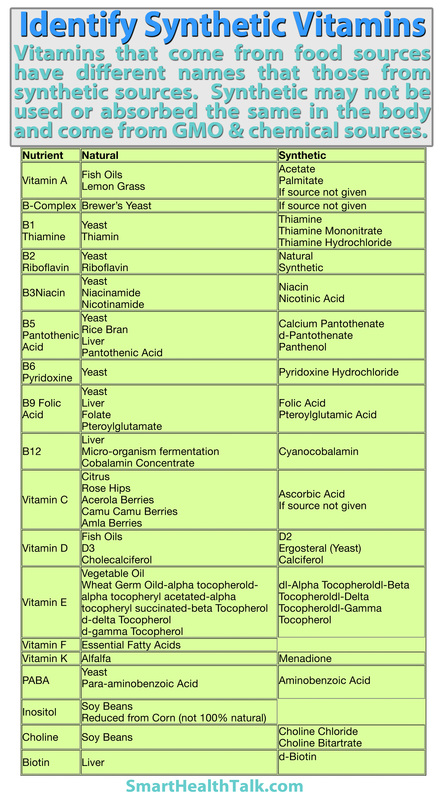
Click graphic for larger view.
|
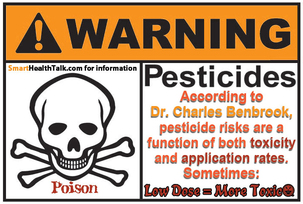
Start By Drinking Water
Click pic below to read articles on Dr. Jacky Chan's water study and the importance of plain water to prevent heart attacks and strokes.
Dr. Jacky Chan, LLU
|





|
Dr. Stephanie Seneff is a well respected researcher from MIT University. She had studied biology while an undergraduate and then went on to study computer engineering. She then became interested in what was happening to our food system and turned her scientific expertise to analyzing research and look for the implications of what this meant to our health and environment. She worked with Anthony Samsel on many projects and publishing papers on their finding. Anthony was successful after many attempts to force the Environmental Protection Agency to give him a copy on Monsanto long term studies and their Round Up Herbicide active ingredient GLYPHOSATE used on all GMO crops that the EPA had buried and hid from the public since the 1970s when it was originally determined to be cancer causing and WAS NOT approved. The World Health Organization just declared Round Up CANCER CAUSING, and looked at the whole product not just the active ingredient glyphosate. There are many "secret" ingredients used in the product with some more toxic than the active ingredients. Sometimes these other ingredients interact to cause even more toxicity. Monsanto learned to no longer do toxic studies and now limits first who can study their products to only Monsanto scientists, no outsiders, and only allows them to be done for 3 months not 1-2 years like the original studies. They know that after three months is when the problems are revealed and because to manifest and show.
|
People not only want to hear what Dr. Stephanie Seneff has to say about how GMOs are reacting in our bodies, block reactions, chelating minerals, and messing with our hormones and brain, but also what she recommends we do to avoid those consequences, heal, and start down the path to a healthier lifestyle free of all of these risks. Watch this section of the interview to find out her suggestions of steps you should take to improve your health and start down the path to a new lifestyle and hopefully a new life filled with health and vitality! Think you'll find that Dr. Seneff believes in many of the recommendations you'll find right here on Smart Health Talk!
|
|
|
|
Dr. V. A. Shiva Ayyadurai, inventor of email and systems analyst created the first email system at age 14 and even gave us the name "email." He has four MIT degrees including a Bachelors in Electrical Engineering and Computer Science, two Masters degrees with one in Theoretical Mechanics and the another in Visual Studies from the media lab. He topped it off with a MIT PhD in Biological Engineering and Systems Biology. His most recent invention is CytoSolve which is a technology that allows one to model complex molecular pathways and biologic phenomenon on the computer. CytoSolve can be used to create new pharmeticutals, functional foods, and therapeutics without the need to kill animals. Most recently CytoSolve was used to discover a drug for multi combination therapy for pancreatic cancer which has been allowed for use by the FDA and is now going to clinical trials. CytoSolve was the technology that showed how genetically modified organisms (GMOs) DISRUPT the molecular pathways of plants and why Dr. Ayyadurai is calling for immediate action to create standards for assessing the safety of GMOs. Dr. Shiva became interested in GMOs after seeing a MIT magazine cover that said, "Buy fresh, buy GMOs" and felt like misleading message.
Try Our Other Smart Health Talk Resolutions

|

|

|

|

|

|

|

|

|

|
|
|