| Smart Health Talk |
|
Those people and animals that eat conventional food have significantly higher glyphosate in urine than those that eat organic food.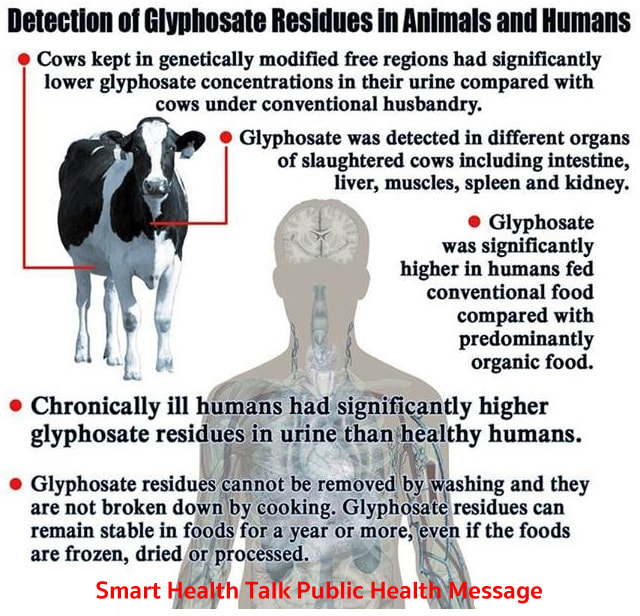 VIEW THE ENTIRE STUDY DOCUMENT HERE: 
Abstract In the present study glyphosate residues were tested in urine and different organs of dairy cows as well as in urine of hares, rabbits and humans using ELISA and Gas Chromatography-Mass Spectroscopy (GC-MS). The correlation coefficients between ELISA and GC-MS were 0.96, 0.87, 0.97and 0.96 for cattle, human, and rabbit urine and organs, respectively. The recovery rate of glyphosate in spiked meat using ELISA was 91%. Glyphosate excretion in German dairy cows was significantly lower than Danish cows. Cows kept in genetically modified free area had significantly lower glyphosate concentrations in urine than conventional husbandry cows. Also glyphosate was detected in different organs of slaughtered cows as intestine, liver, muscles, spleen and kidney. Fattening rabbits showed significantly higher glyphosate residues in urine than hares. Moreover, glyphosate was significantly higher in urine of humans with conventional feeding. Furthermore, chronically ill humans showed significantly higher glyphosate residues in urine than healthy population. The presence of glyphosate residues in both humans and animals could haul the entire population towards numerous health hazards, studying the impact of glyphosate residues on health is warranted and the global regulations for the use of glyphosate may have to be re-evaluated. Discussion Glyphosate-containing herbicides are applied in large amounts to crops 2 to 3 times per season to remove weeds and dry out grain in a process called ‘desiccation’. Once applied, glyphosate accumulates in leaves, grains or fruit. Glyphosate residues cannot be removed by washing and they are not broken down by cooking. Glyphosate residues can remain stable in foods for a year or more, even if the foods are frozen, dried or processed. Recently, many studies have proposed that glyphosate could impact the health of animals and humans. Despite glyphosate’s global dominance as an herbicide, there is little testing of glyphosate residues in animals and humans. Previously, we recorded the presence of glyphosate residues in Danish dairy cows. Glyphosate residues could differ from country to country (in some countries glyphosateis not regulated) and even within a country depending on the quantity, frequency and time of glyphosate application. The present study compared glyphosate residues in urine and different organs of German cows compared with Danish cows using ELISA and GC-MS. Other investigations were carried out to shed light on the presence of glyphosate in hares, rabbits and humans. The ELISA technique for these studies was validated by comparing paired samples with GC-MS. Excreted glyphosate in urine of Danish cows was significantly higher than from German cows and represents a higher intake from feed. Interestingly, the glyphosate concentration in German dairy cows kept in a GM free region excreted much less glyphosate than conventionallymanaged cows. Thus, the prohibition of GM grains and soy prevent these animals from consuming glyphosate with their feed. Since organic farmers don`t live in an isolated area, the presence of low levels of glyphosate could be attributed to contamination by air and rain The presence of glyphosate residues in organs and meat of cattle is not a surprise since cows excretesignificant amounts of glyphosate in urine. An animal study with Sprague-Dawley rats reported that approximately 35-40% of the administered glyphosate dose was absorbed from the gastrointestinal tract so that urine and feces were equally important routes for elimination after one oral application. These authors also found that glyphosate accumulated in bones. Considering the strong chelating stability of glyphosate for calcium, accumulation in bones is not surprising. Our own results showed that glyphosate is detectable in intestine, liver, muscle, spleen and kidney tissue. Hares are among the first animals to enter fields after glyphosate is applied before sowing, in no-till cropping, and with pre harvest desiccation. Surprisingly,the many fold higher glyphosate excretion of domesticated rabbits than of hares (Figure 2) or Danish dairy cows was not anticipated, but probably reflects the high levels of glyphosate in their feed Tedesco et al. evaluated the possible effects of GM soya bean on cell metabolism of rabbits. Although no differences in enzyme levels were detected in serum, a significant increase of lactic dehydrogenase, mainly the LDH1 iso-enzyme, was found especially in the kidney and heart. In the present study, the median glyphosate concentration in urine (around 1 ppb) of people consuming predominantly organic food was significantly lower than in urine of people consuming conventional food. Thus, the prohibition of herbicide use in organic agriculture greatly reduces the intake of glyphosate. Glyphosate in urine of a generally healthy population was significantly lower than in urine from a chronically diseased population. Curwin et al. mentioned that it is important to determine if glyphosate is consumed in conventional foods. Glyphosate in urine of humans (non-suicidal or accidental overdose cases) was measured in different populations. The presence of glyphosate in humans was previously reported by monitoring 48 farmers, their spouses and 79 children (4-18 years) for glyphosate in urine the day before, as well as 1 and 3 days after glyphosate application. They reported detectable levels of glyphosate were found in urine on the day of application in sixty percent of the farmers (geometric mean was 3 ppb, the maximum value was 233 ppb, and the highest estimated systemic dose was 0.004 mg/kg). Farmers who did not use rubber gloves had five times more glyphosate in their urine. Mesnage et al. detected 9.5 ppb glyphosate in urine of a farmer 7h after beginning pesticide handling. Moreover, the excretion of glyphosate in urine is not limited to farmers and glyphosate has been described as a new environmental neurotoxin. Exposure of mammals to glyphosate may cause loss of mitochondrial transmembrane potential and result in oxidative stress to liver and brain. Both apoptosis and autophagy are involved in glyphosate toxicity mechanisms. Case reports indicated that exposure to glyphosate was related to Parkinsonism. Conclusion Glyphosate residue could reach humans and animals through feed and excreted in urine. Presence of glyphosate in urine and its accumulation in animal tissues is alarming even at low concentrations. Unknown impacts of glyphosate on human and animal health warrants further investigations of glyphosate residues in vertebrates and other non-target organisms. Dr. Charles Benbrook is a scientist that testified at the Dewayne Johnson versus Monsanto trial where a school district janitor got cancer using Roundup as part of his job. The jury awarded Mr. Johnson $289M. What Dr. Benbrook said was not allowed to be presented to the jury during the trial is shocking. Watch as Dr. Benbrook explains.
Click to visit website.
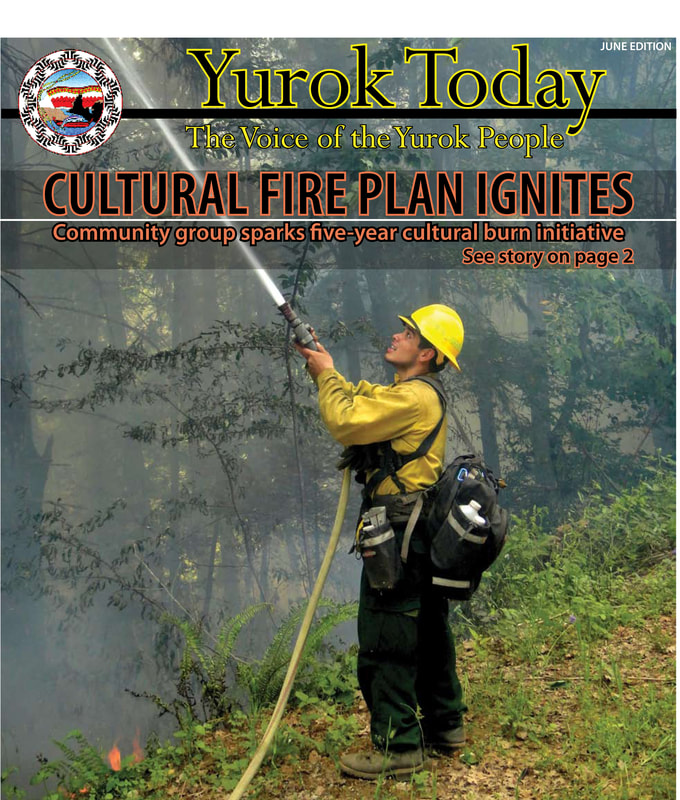
Why Controlled Fires are Healing and Protective from Forest Fire
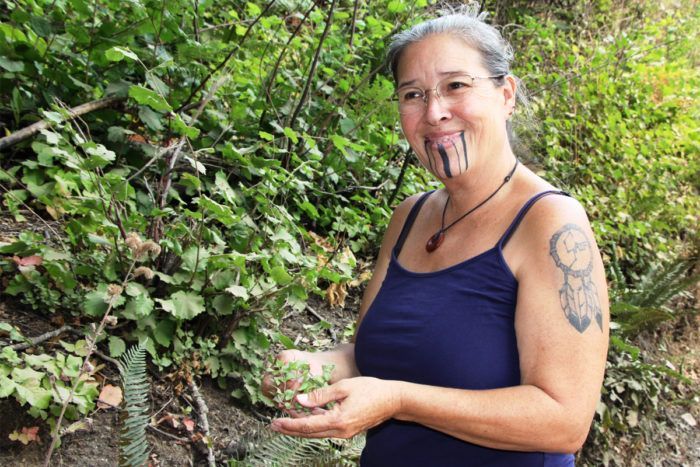
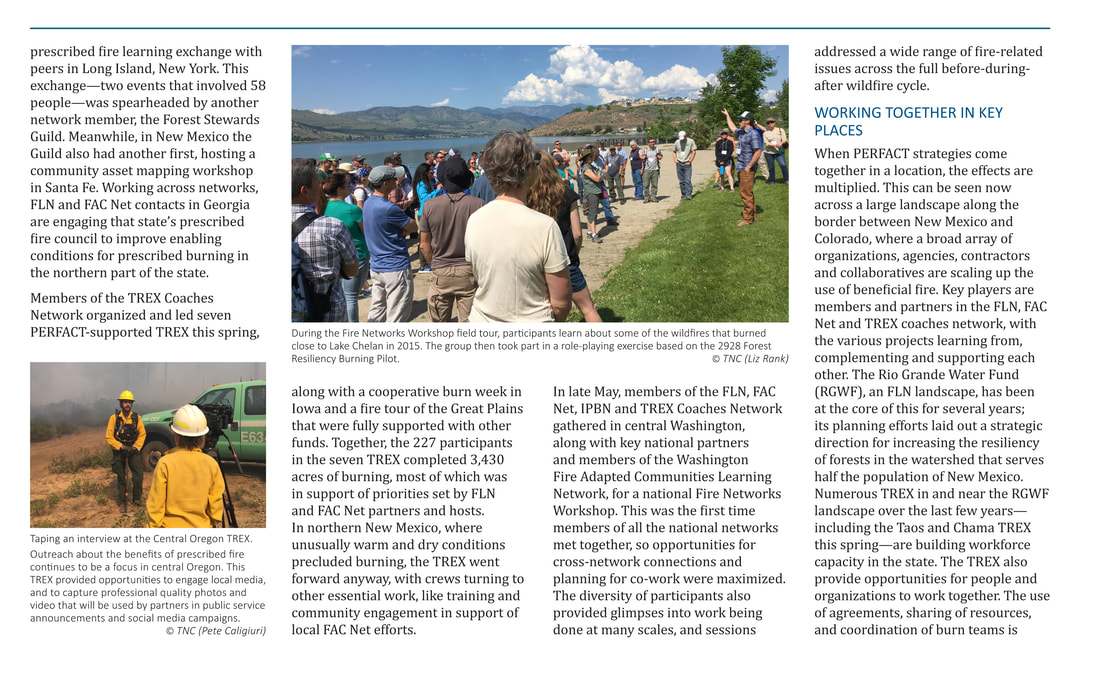
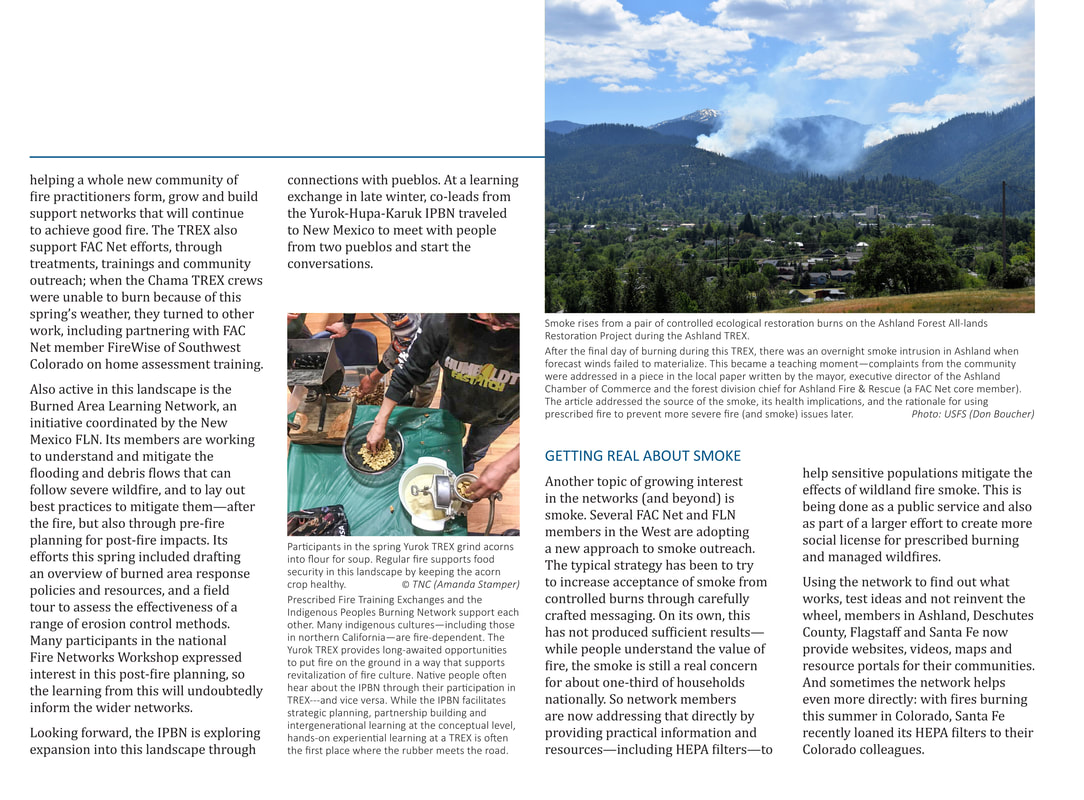
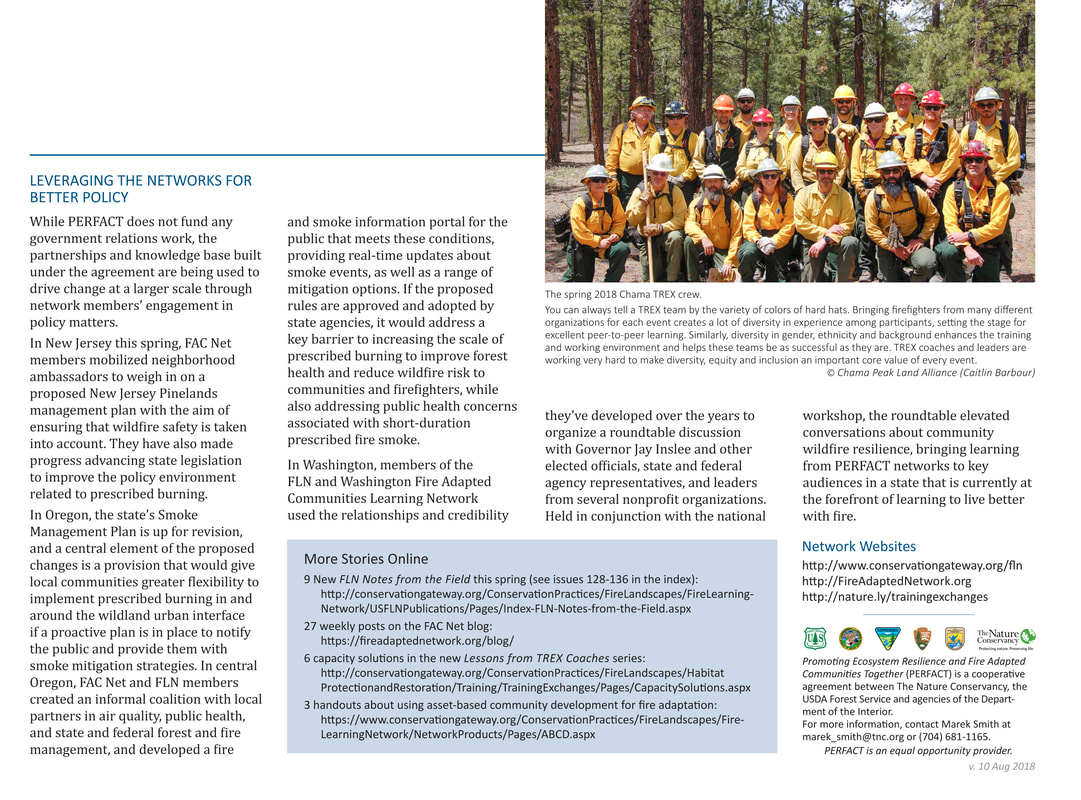
For thousands of years, California Indians used fire as a tool for managing natural resources. Throughout the state, Native peoples conducted cultural burns on a wide range of plants. Their fire regimes created diverse habitat mosaics that sustained meadows, coastal prairies, and grasslands. The careful application of fire increased fruit and seed production, caused new growth that was better suited for making baskets, and reduced the fuel load that could be burned by naturally occurring wildfires. But starting with the Spanish conquest and continuing today in the form of Forest Service and CalFire policies, fire suppression has drastically limited cultural burning. As a result, the forest has become incredibly dense and we are now facing a situation in the Sierra Nevada where drought is causing many trees to die. This massive tree mortality has brought the forest to a tipping point, where large scale wildfires threaten to alter the Sierra forests permanently. In this video, we explore how cultural burning is being practiced today and what lessons it holds for the future of the forest. We visit the area just south of Yosemite National Park where two tribes are working to bring fire back to the land, the North Fork Mono Tribe and the Cold Springs Rancheria of Mono Indians.
How We Can All Help and Bring Communities Together
to Prevent Forest Fires 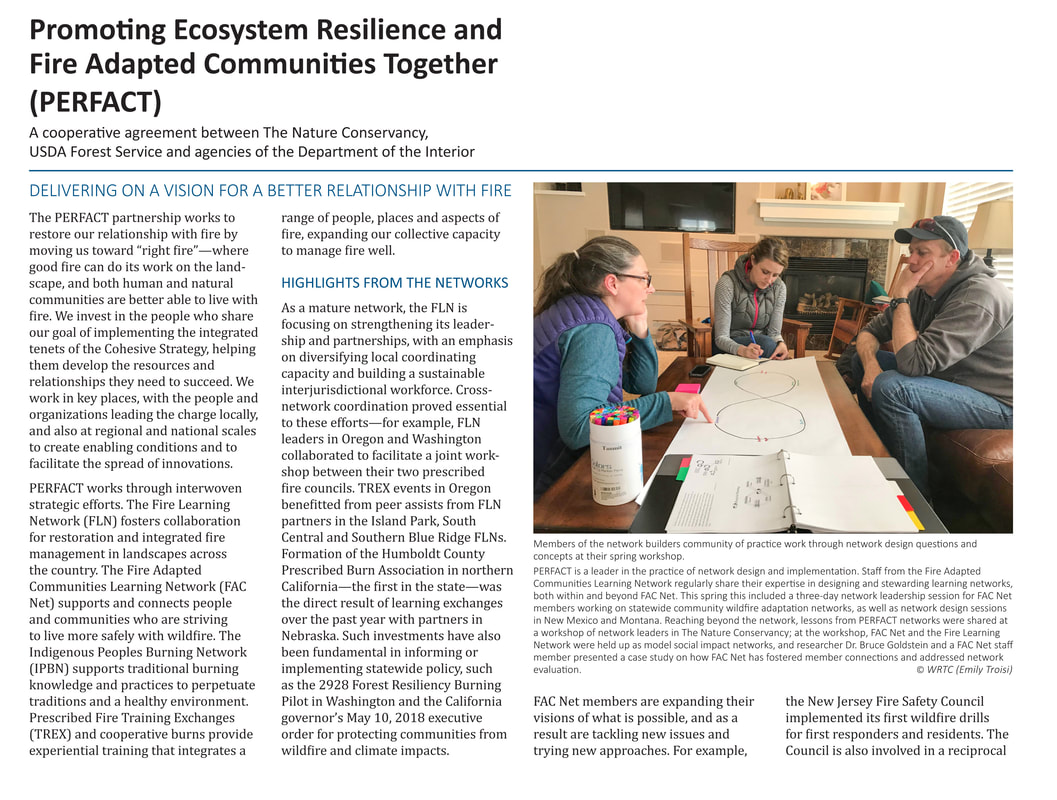
Click for larger sizes to view.
Click for larger sizes to view.
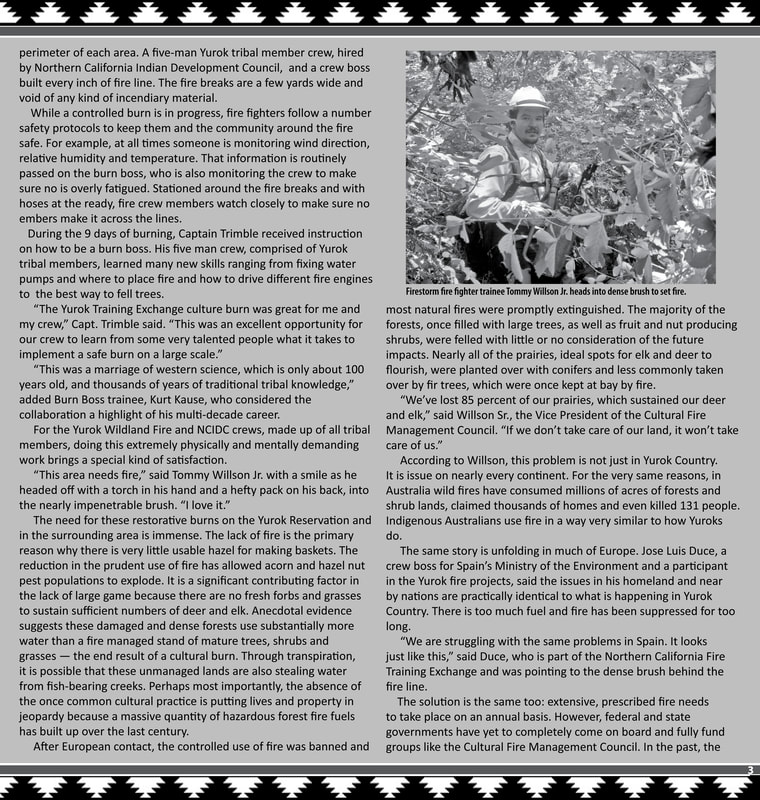
This article and video tells the story of why the Yurok Tribe have
|
|||||||||||||||||||||||||||||||||||||
 |  |
 | 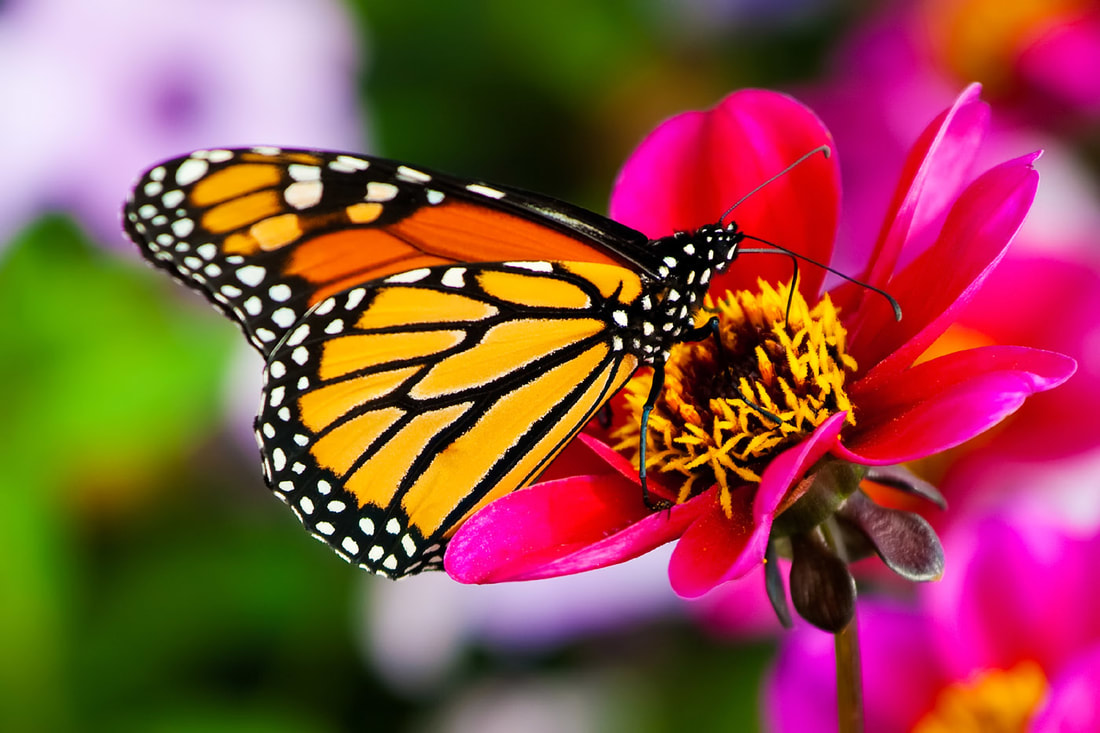 www.bluemonarchproject.comThe numbers for the Western Migration are extremely low. After raising & releasing over 600 Monarch in 2017, we hope to increase that a lot and help get lots of organic milkweed and nectar plants in the ground or a pot wherever we can. |
| | |
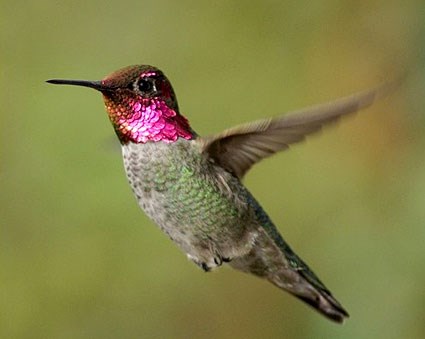
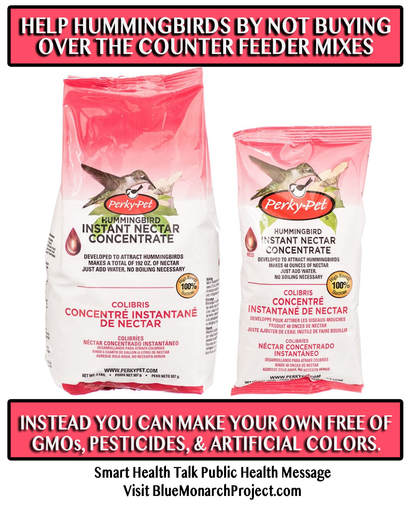
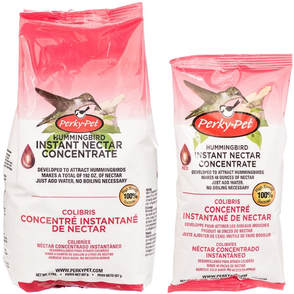 | Ingredients: Sucrose, Sodium Benzoate, (preservative), Tartaric Acid (preservative), and Artificial Food Coloring. USDA-approved red coloring is non-toxic and harmless to hummingbirds. Just because the government approves it, doesn't mean we have to approve those ingredients or the pesticides and GMOs used on sugar crops. IT'S EASY TO MAKE YOU OWN! Trader Joes and Costco have great deals on organic sugar. |
About FD&C RED 40: FD&C Red 40 is a synthetic dye produced from petroleum; this dye is FDA-approved for use in food, pharmaceuticals and cosmetics.
This ingredient may be derived from animals. From PETA'sCaring Consumer: Pigments from animal, plant, and synthetic sources used to color foods, cosmetics, and other products. Cochineal is from insects. Widely used FD&C and D&C colors are coaltar (bituminous coal) derivatives that are continously tested on animals due to their carcinogenic properties. Alternatives: grapes, beets, turmeric, saffron, carrots, chlorophyll, annatto, alkanet.
Function(s): Colorant
Synonym(s): RED 40, ALLURA RED AC; CI 16035; D&C RED 40; FD&C RED NO. 40; FOOD RED 17; ALLURA RED; ALLURA RED AC; C. I. 16035; C.I. FOOD RED 17; FD AND C RED NO. 40; FD&C RED NO. 40
| | |
| | |
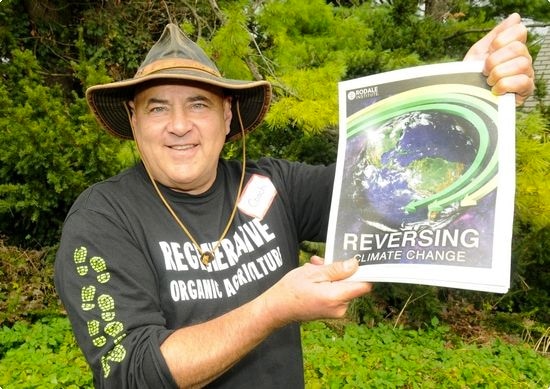
To transform our food systems into resilient ecosystems that support human health and nurture our environment takes creativity and passion.– Cyrus Sutton, Director


|


|

|

|

 |  |

|

|
Websites like EatLocalGrown.com or LocalHarvest make it easy to find local farmers markets and farms.
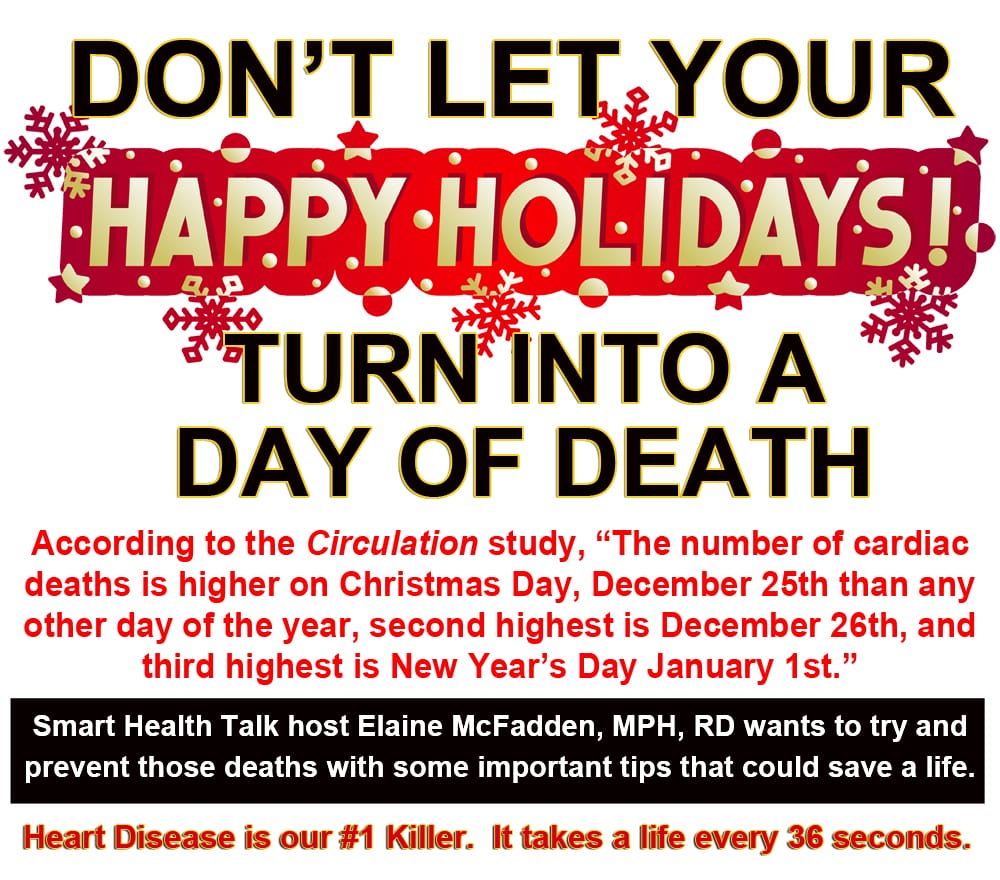
Dr. Chan warns that, “Not drinking enough water can be as harmful to your heart as smoking!”

 |
CHOOSE FOODS IN SEASON OR GROW YOUR OWN! SUPPORT LOCAL FARMERS: EATLOCALGROWN.COM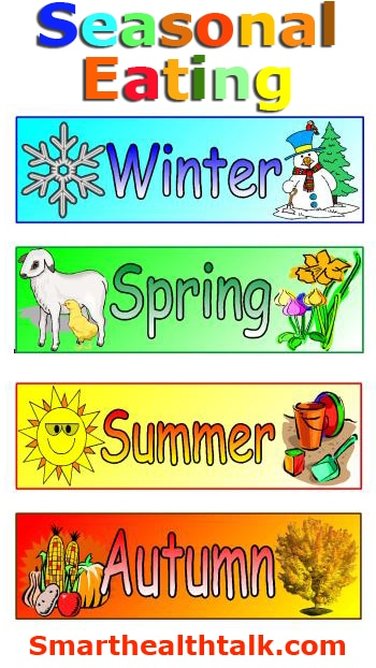 | AVOID PESTICIDES BY: EASY 2 MIN GARDENING TIPS TO HELP BEGINNERS & EXPERIENCED GROWERS Join us on YouTube. Please subscribe!  |
Elaine McFadden, MPH, RD, is the host for "Smart Health Talk Radio Show, Thursdays, 4:00-5:00, on KCAA Radio 1050 AM in Southern California. Elaine is a dietitian dedicated to bringing consumers information that can improve their life and save them money.
March 2019
January 2019
March 2018
May 2017
April 2017
December 2016
September 2015
March 2015
December 2014
February 2014
August 2013
June 2013
May 2013
April 2013
November 2011
October 2011
September 2011
All
America Recycles Day
Cooking At Home
Families Cooking Together
Family Meals
Genetically Modified Foods
Gmo Risks
Gmos
Healthy Eating
Infertility
Mercury In Fish
Organic
Pesticides
Plastic Recycling
Recycling
Smart Health Talk
Sterility
Sustainability
Sustainable Agriculture
Thanksgiving
The Veggie Grill
Vegan
Vegetarian



 RSS Feed
